01 / The brief
Turn scattered activity into a live operating picture.
Tronix3D had valuable operational data moving through production software, web forms, customer records, spreadsheets, and team conversations. Employees still had to manually total production, triage incoming RFQs, search for customer history, and move information between tools before they could act on it.
Visit the live website02 / The response
Connect the systems people already use.
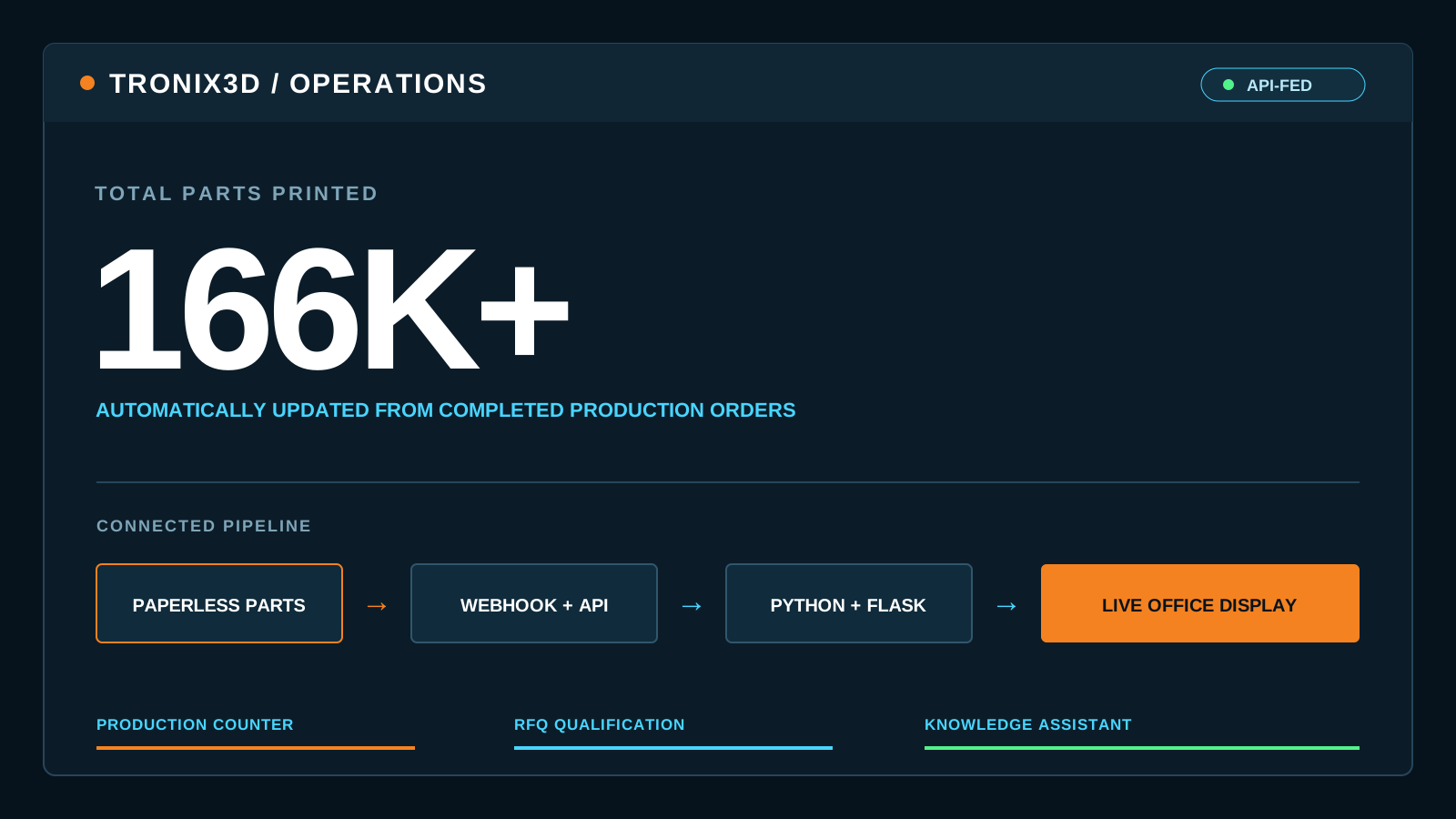
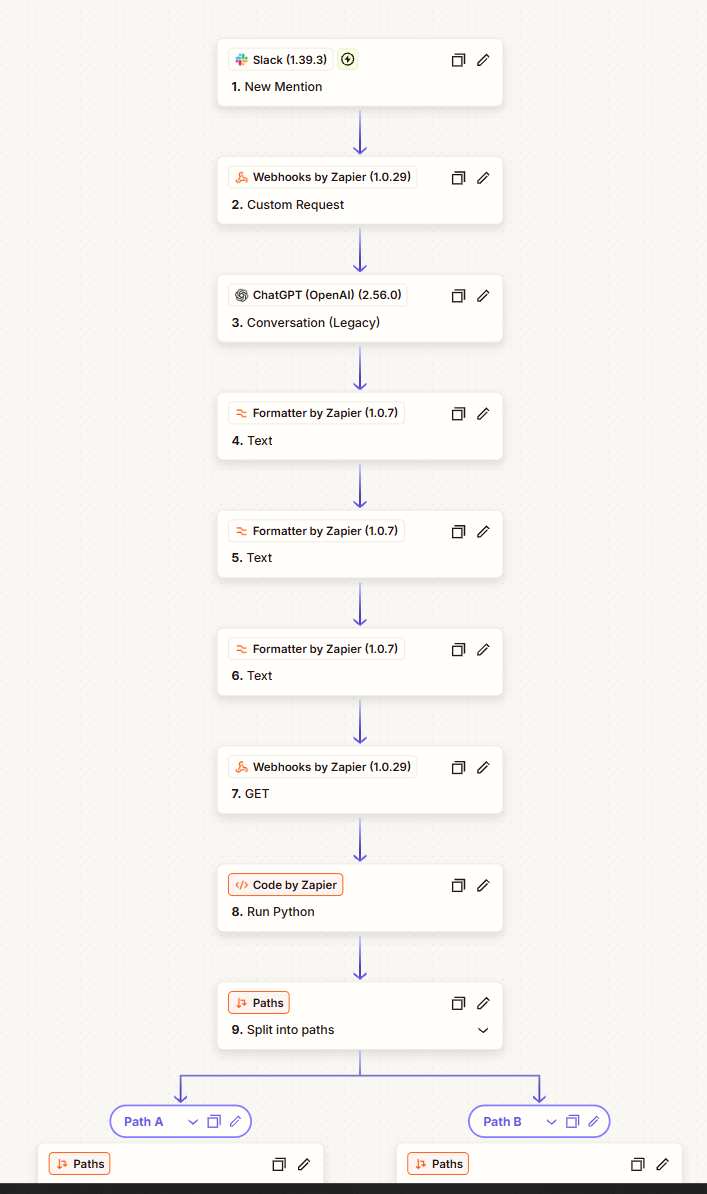
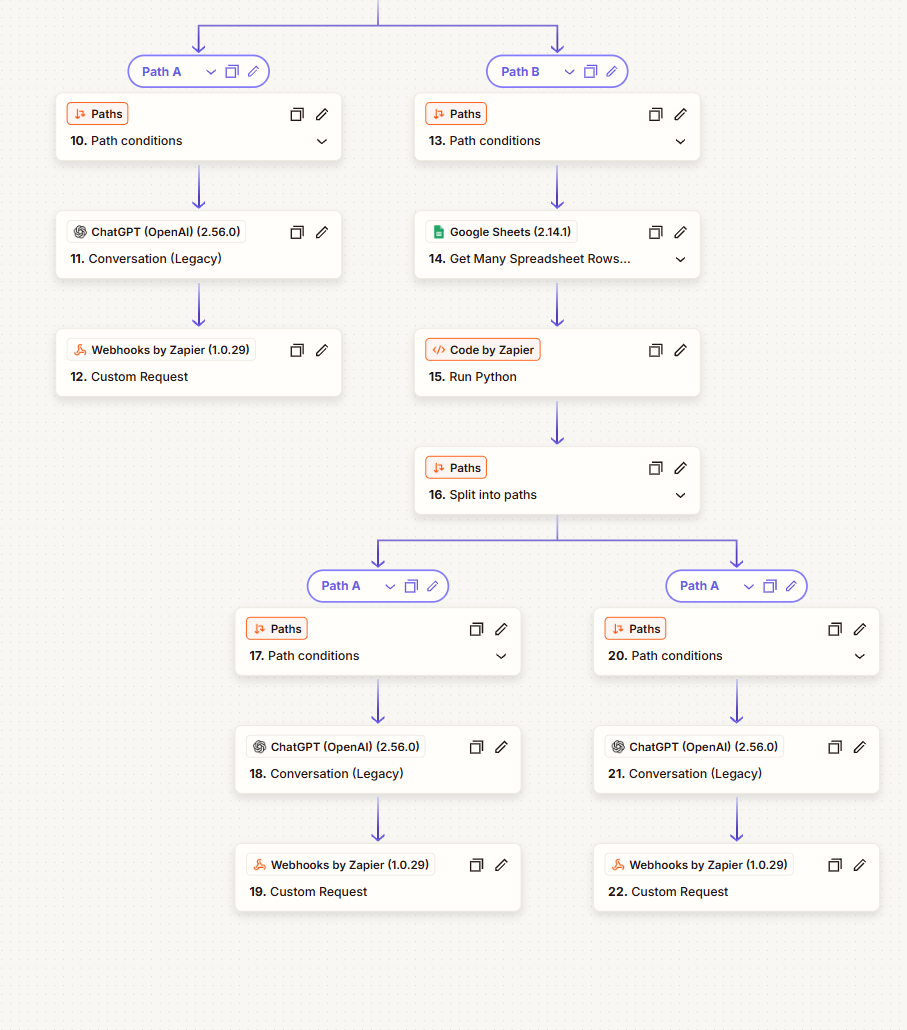
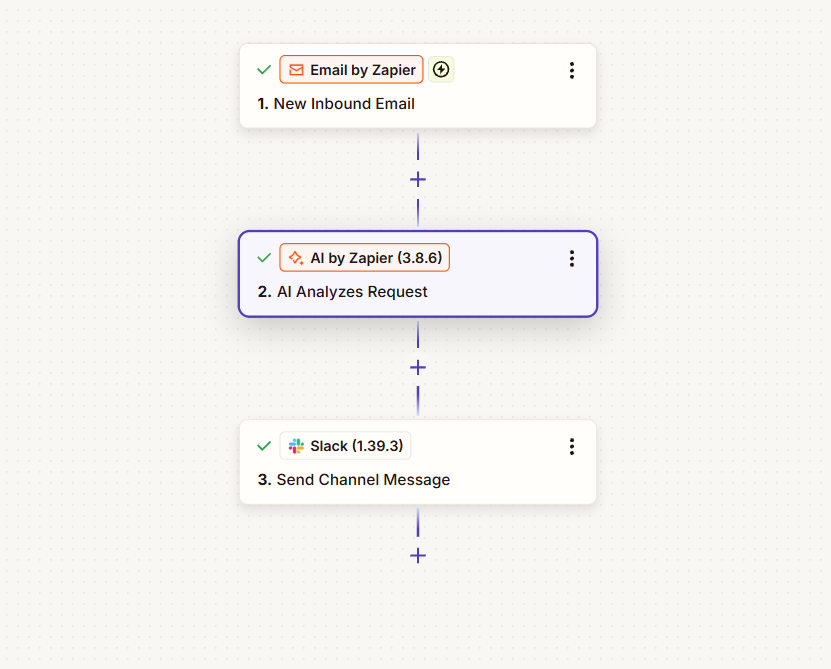
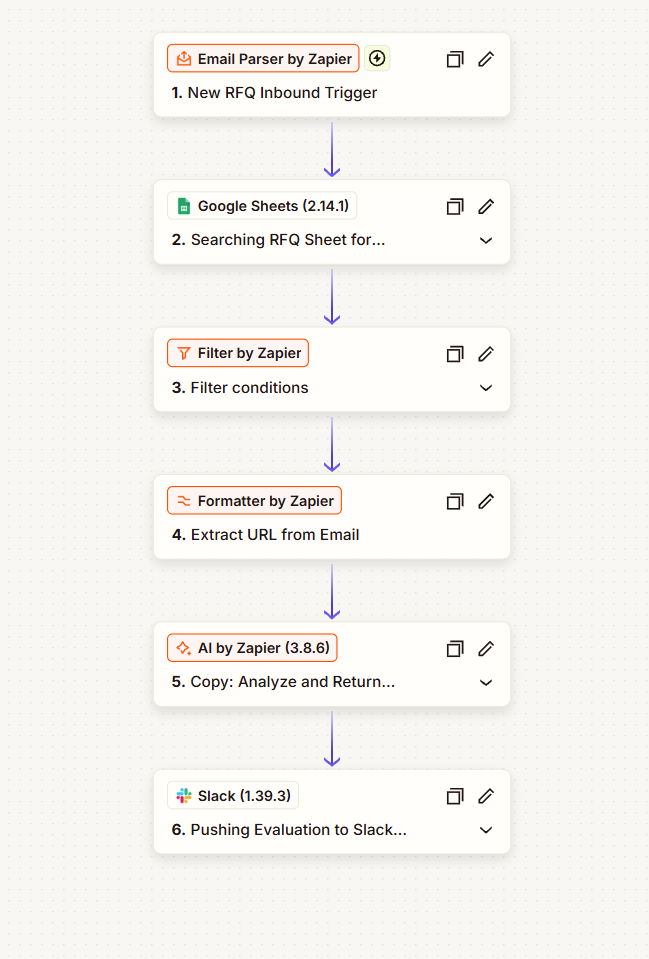
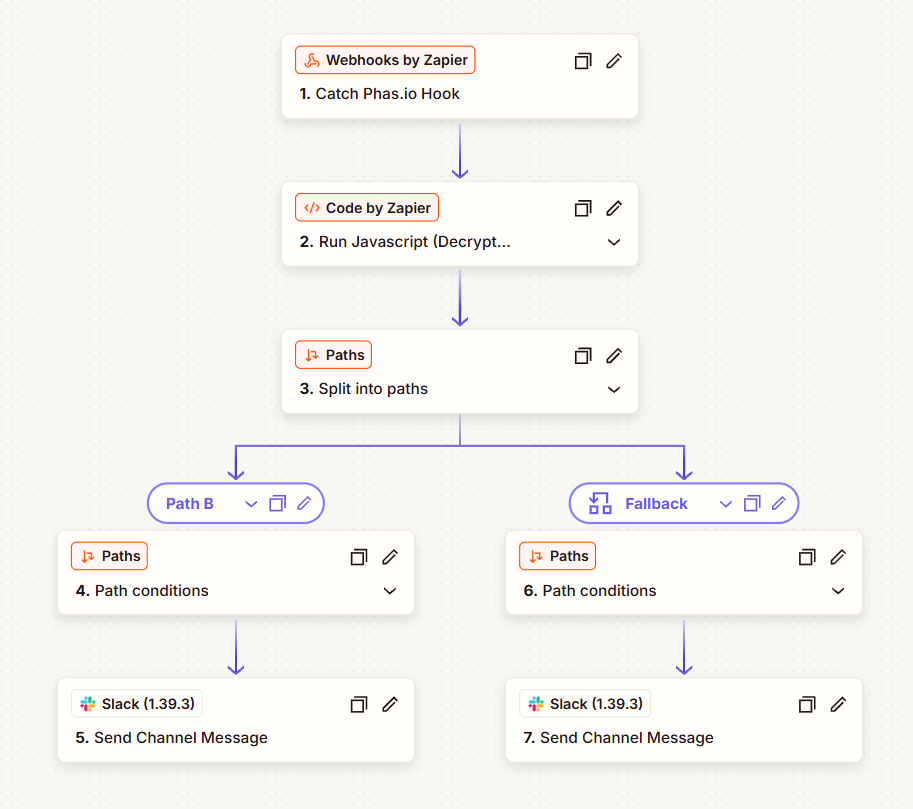
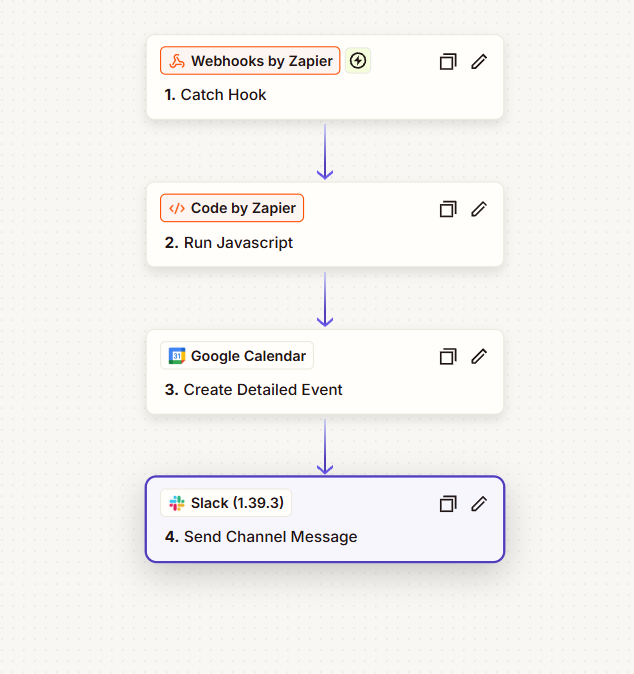
Ryan designed and built several focused systems around those gaps. A Python and Flask production dashboard receives Paperless Parts data through APIs and webhooks, calculates completed production volume, and updates an in-office display. TronTracker begins with a Slack mention, interprets the request, retrieves the right internal information, and branches into the appropriate response path. A separate AI-assisted RFQ workflow parses incoming Paperless Parts requests, checks tracking data, extracts the source quote link, researches the contact and company against explicit business-value criteria, and posts a concise rating and rationale to Slack. When Phas.io replaced Paperless Parts, a new webhook workflow was added to distinguish genuine new RFQs from quote activity and route each qualifying alert to the correct Slack channel. A second Phas.io workflow carries the handoff forward by creating a detailed calendar event and notifying the team in Slack as soon as an accepted quote becomes an order.
- Real-time manufacturing production counter
- Paperless Parts API and webhook integrations
- AI-assisted RFQ intake and lead qualification workflow
- RFQ tracking checks, company research, and qualification routing
- Source quote links and concise value ratings delivered in Slack
- Phas.io webhook validation and Slack channel routing
- Quote-to-order calendar events and team notifications
- TronTracker Slack assistant for customer and company information
- Logging, error handling, and automated data updates
Inside TronTracker
One Slack mention becomes the right operational response.
Connected RFQ and order routing
From first inquiry to confirmed order.
Four connected workflows cover the path from first contact through the operational handoff. Website manufacturing challenge submissions become structured internal alerts without rewriting or inventing customer details. Paperless Parts RFQs are checked against tracking data and researched against explicit business-value criteria. After Phas.io replaced Paperless Parts, a new routing workflow was built around its shared order-created webhook. Because that event also fires when the team creates a quote, the workflow checks the payload and status before sending a genuine new RFQ to the correct Slack channel. When a quote is accepted and converted into an order, a separate workflow creates the detailed calendar event and immediately announces the new order in Slack.
- Converts website inquiries into structured alerts while preserving the customer's original details
- Checks legacy Paperless Parts RFQs against tracking data and extracts the source quote link
- Researches business need, company scale when available, and the contact's decision influence
- Assigns a Very High, High, Medium, or Low rating with concise supporting reasoning
- Catches Phas.io order-created webhook events and processes the incoming payload
- Filters out quote activity by checking path conditions and RFQ status
- Routes each qualifying Phas.io RFQ alert to the appropriate Slack channel
- Creates a detailed calendar event when a quote converts into an order
- Notifies the team in Slack as soon as the new order is received
03 / The decisions
Design for the work between the tools.
- 01
Identify the manual handoffs that slowed production visibility, RFQ review, and access to customer information.
- 02
Connect the existing production, form, CRM, Slack, and internal data sources instead of creating another isolated system.
- 03
Use focused application logic and AI only where they make a decision or retrieval step faster and more consistent.
- 04
Deliver each tool in the place employees already work, including an in-office display and real-time Slack notifications.
04 / The result
Less manual triage. Faster access to what matters.
The production team gained a live view of total manufacturing output without manual reporting. Sales received faster, more consistent routing for high-value requests, reducing manual RFQ triage time by approximately 80 percent. Accepted quotes now move into a shared calendar and Slack notification without a separate manual handoff. Employees also gained direct access to customer knowledge inside Slack, reducing repetitive searches and helping the team respond with better context.